If you want to sell your Westmont home with confidence, preparation matters just as much as timing. Even in a market that leans toward sellers, buyers still notice condition, pricing, and presentation right away. The good news is that you do not need to do everything at once or overspend on the wrong updates. With a clear plan, you can focus on the improvements that are most likely to help your home stand out. Let’s dive in.
What Westmont sellers should know now
Westmont is showing signs of a seller-leaning market, but it is still price-sensitive. According to Realtor.com’s Westmont market snapshot, there were 46 homes for sale in February 2026, with a median list price of $382,500, median days on market of 26, and a 98% sale-to-list ratio. Redfin also describes Westmont as very competitive, with homes receiving about five offers on average and selling in around 63 days.
Those numbers tell you something important: buyers are active, but they are not ignoring condition or value. A home that looks clean, cared for, and well-positioned has a better chance of attracting strong interest. That is why smart prep is often more effective than a rushed, expensive remodel.
Focus on the prep that buyers see
When you are getting ready to sell, the highest-value work is usually the simplest. The National Association of Realtors consumer guide on preparing to sell recommends cleaning windows, carpets, lighting fixtures, and walls, storing clutter, and improving curb appeal with landscaping, the front entrance, and paint.
That advice lines up with the 2025 Remodeling Impact Report, which found that buyers are less willing to compromise on condition than they used to be. It also found that the most common seller prep items were decluttering, whole-home cleaning, and curb appeal improvements. REALTORS also ranked painting the entire home, painting one room, and new roofing among the top projects to recommend before sale.
In practical terms, your prep priorities should usually look like this:
- Clean the home thoroughly
- Remove clutter and extra furniture
- Repair visible defects and functional issues
- Refresh worn or bold paint colors
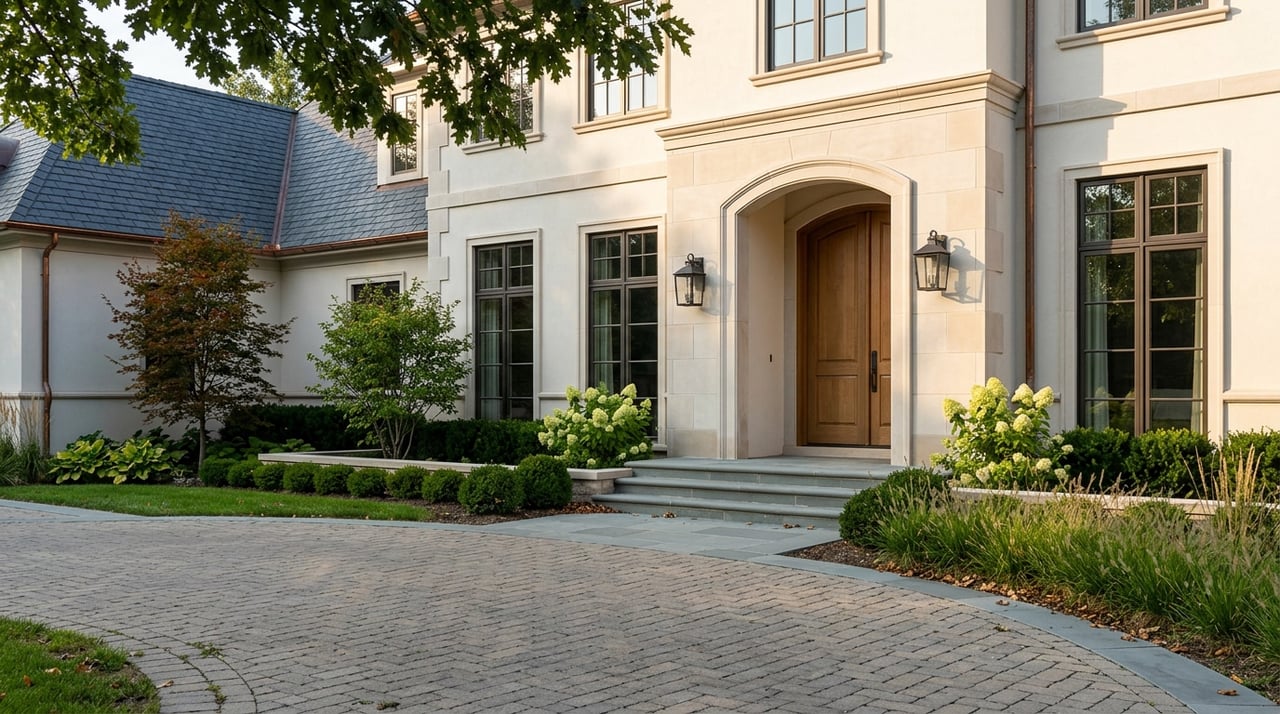
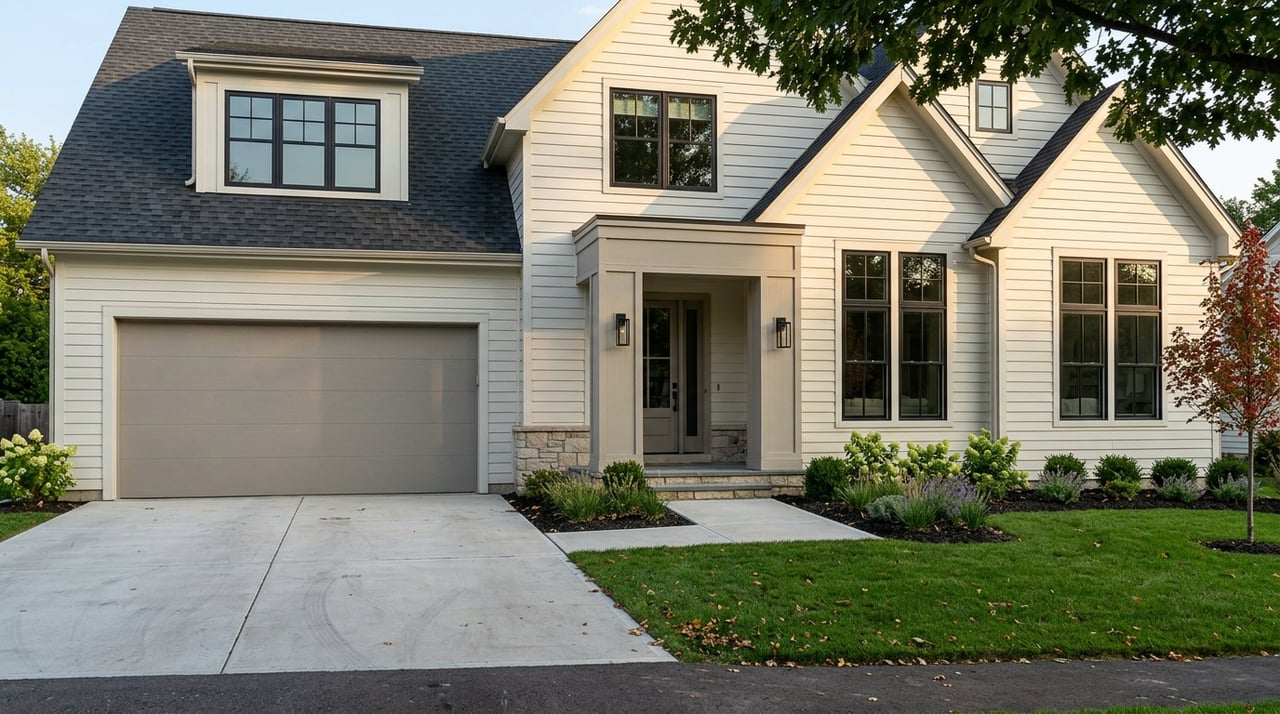
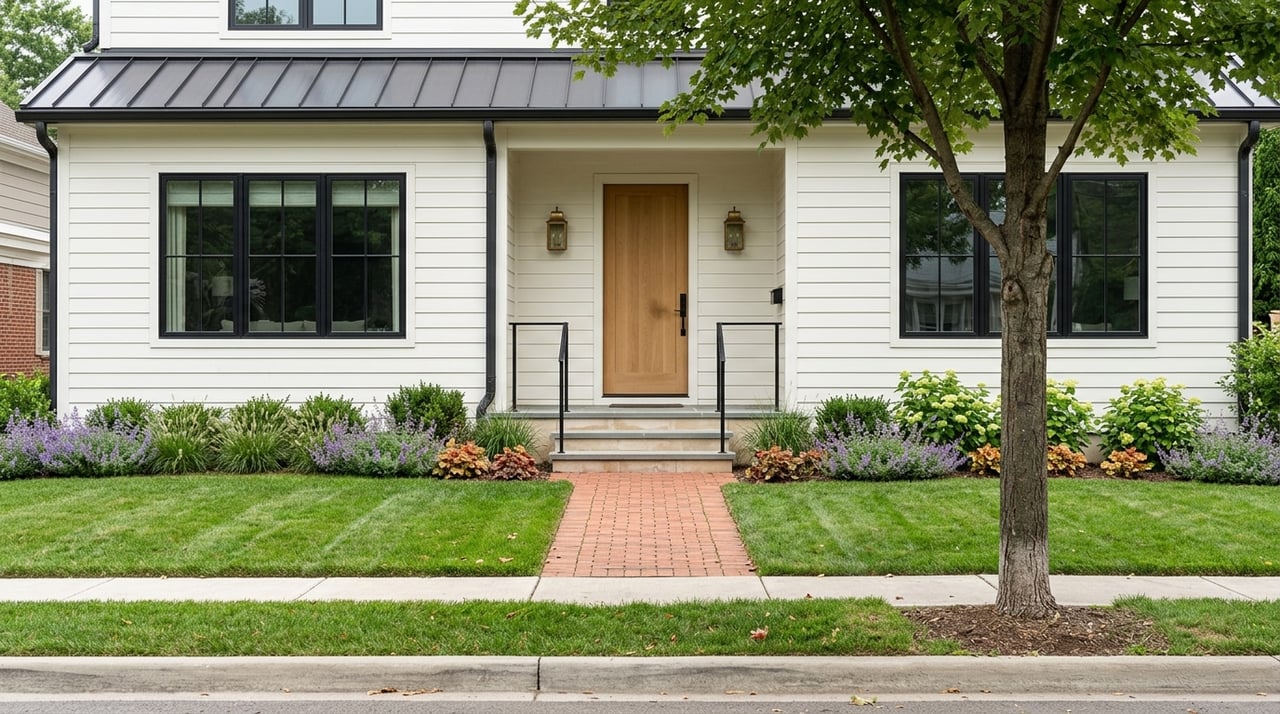
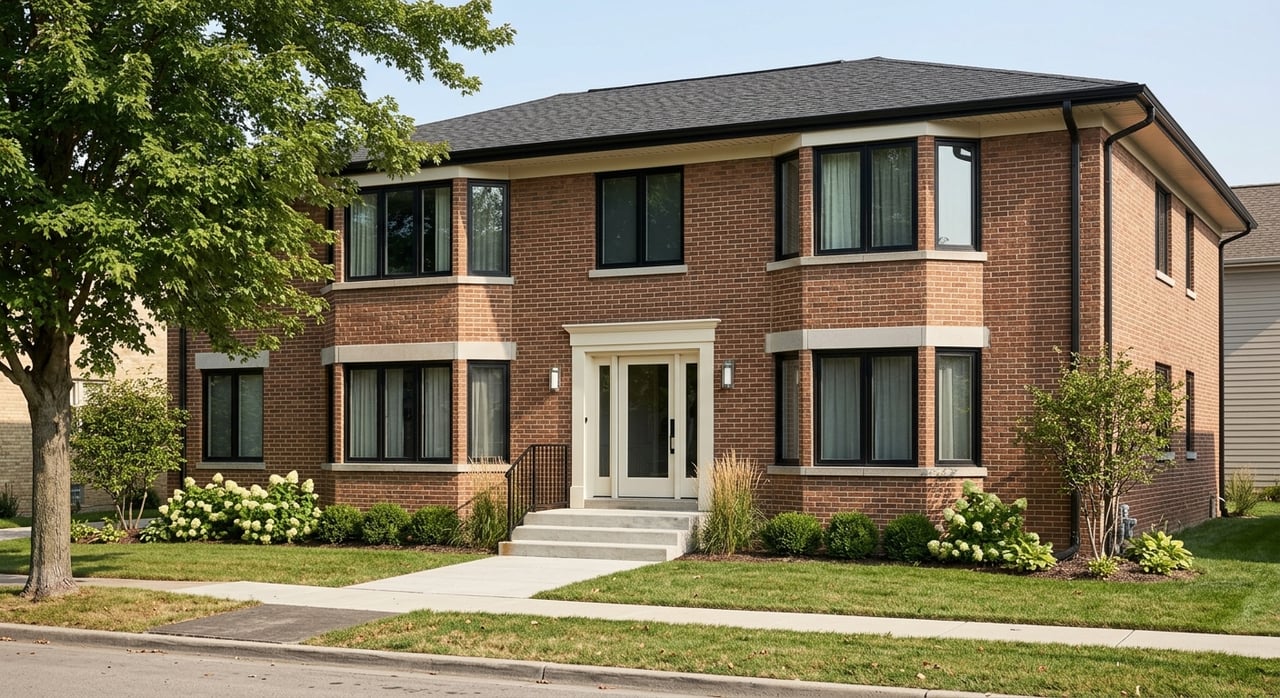
- Improve curb appeal at the entry and front yard
- Stage the rooms that matter most
Do you need to fix everything?
No. Most sellers do not need to fix every cosmetic detail before listing.
A better approach is to fix what is visible, functional, or safety-related first. If a buyer sees chipped paint, broken hardware, stained carpet, or a loose handrail, those small issues can create doubt about larger maintenance items. Addressing those concerns helps your home feel more move-in ready and better cared for.
If your home has a larger issue, such as an aging roof or HVAC system, the same NAR guide says it can help to estimate the cost even if you decide not to repair it before listing. That gives you a clearer pricing strategy and helps you prepare for inspection negotiations.
Should you get a pre-sale inspection?
A pre-sale inspection is not required, but it can be a smart move. According to the NAR seller prep guide, it may help uncover issues before a buyer does.
That can give you more control over the process. Instead of being surprised during the buyer’s inspection, you can decide whether to repair the issue, disclose it, or account for it in the price. For many sellers, that added clarity lowers stress and helps avoid last-minute renegotiation.
Skip major remodels unless there is a real need
If your listing window is close, large renovations are usually not the best first move. The research in your favor points more toward targeted updates than full-scale remodeling.
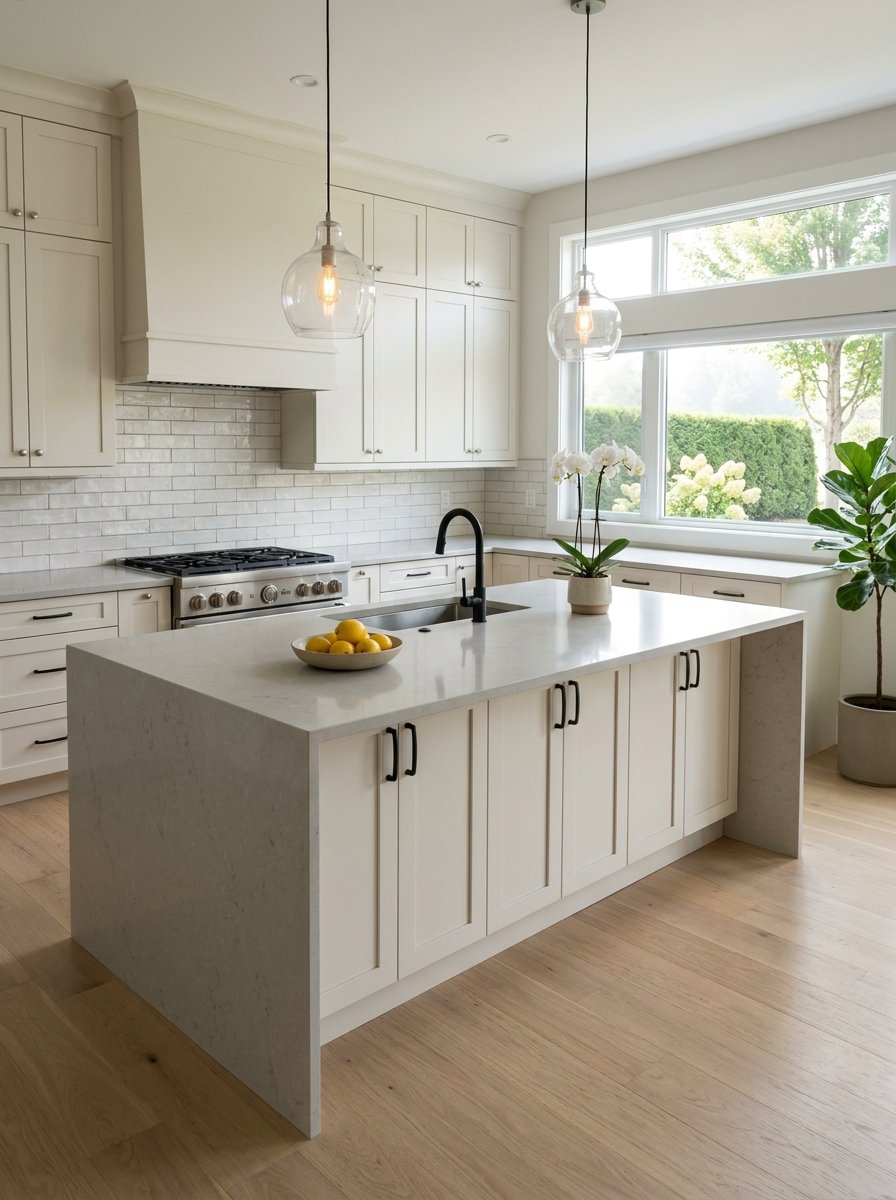
For example, if your kitchen feels dated, you may not need to rebuild it to sell. NAR notes in its guidance on marketing a house with a dated kitchen that light cosmetic changes, smart staging, and pricing adjustments can often do more for a near-term sale than a major project that takes months.
A large remodel may still make sense if your home has a true functional problem. But if the goal is to get on the market soon, it is often better to invest in fast, high-visibility improvements instead.
Stage the rooms that influence buyers most
Staging does not have to mean turning your home into a showroom. It means helping buyers understand the space quickly and positively.
The 2025 NAR Profile of Home Staging found that 29% of agents said staging increased the dollar value offered by 1% to 10%, and 49% of sellers’ agents said staging reduced time on market. The rooms most often staged were the living room, primary bedroom, dining room, and kitchen.
If you want to be selective with your budget, start there. Those are the spaces buyers often remember most from photos, showings, and open houses.
Best rooms to stage first
- Living room
- Primary bedroom
- Dining room
- Kitchen
NAR also reported that buyers’ agents see photos, traditional physical staging, videos, and virtual tours as important listing tools. That means your in-person presentation and your online presentation should work together.
Time your prep around the market
If you have flexibility, spring is still the safest time to list. Realtor.com’s 2026 best time to sell research identified April 12 through 18 as the best week to sell in 2026, and it found that 53% of sellers took one month or less to get their home ready to list.
That is a useful reminder to start earlier than you think. If you want to hit a spring listing window, you may need to begin planning repairs, cleaning, staging, and paperwork several weeks in advance.
Seasonal data from NAR’s housing market outlook also supports the spring advantage. Peak buying season runs from April through June, and homes typically sell faster and at higher prices in June than in winter. In the Midwest, twice as many homes are sold in June as in the winter months.
That said, Westmont’s current inventory is lean enough that a well-prepared home can still perform outside peak spring timing. If you cannot wait until spring, good preparation still gives you a strong chance to compete well.
Plan for permits and contractors early
If your prep list includes repair or replacement work, do not wait until the last minute to line up contractors. The NAR contractor hiring guide recommends interviewing at least three contractors, getting written bids, checking references, and confirming licenses, insurance, and permit responsibility.
That step matters in Westmont. The Village of Westmont Permitting Division states that many residential renovation and remodeling projects require permits before work begins. Roof covering replacement, window or exterior door replacement, water heaters, HVAC equipment, and generators are among the projects that may qualify for express permits.
The village also notes that contractors must be registered before permits are issued. Express permits are typically issued in 1 to 2 business days, while small-scale permits may take 5 to 10 business days. Inspections must be scheduled in advance, and final inspections are required for all permits.
Contractor checklist for Westmont sellers
- Get at least three written bids
- Ask for references
- Confirm license and insurance status
- Make sure the contractor can obtain permits if needed
- Avoid vague contracts
- Avoid large upfront payments
- Do not pay in full before work is complete
Gather paperwork before you list
Paperwork is part of preparation too. The NAR seller guidance recommends gathering warranties and manuals for systems and appliances that will stay with the home.
It also helps to organize records for completed repairs or improvements. Seller disclosures often cover material defects, prior repairs, and other issues that may affect value, so having documents ready can make the process smoother and more accurate.
A simple prep plan for selling with confidence
If you want a practical way to approach the process, keep it simple. In this kind of Westmont market, the goal is not perfection. The goal is to remove distractions, present the home well, and make it easier for buyers to say yes.
A strong seller prep plan often looks like this:
- Walk through the home with a critical eye
- Decide whether a pre-sale inspection makes sense
- Fix obvious defects and functional issues
- Deep clean and declutter every room
- Refresh paint where needed
- Improve curb appeal
- Stage the most important rooms
- Gather warranties, manuals, and repair records
- Coordinate any permits or contractor work early
- List with a pricing and marketing strategy built for current Westmont conditions
Preparation creates confidence because it gives you more control. You can reduce surprises, improve buyer perception, and enter the market with a stronger position.
If you are thinking about selling in Westmont, Edgar Guerrero can help you build a clear prep plan, coordinate next steps, and position your home to compete with confidence.
FAQs
Should I remodel my Westmont kitchen before selling?
- Usually not if you plan to list soon. Light cosmetic updates, staging, and pricing strategy are often more practical than a major remodel when your timeline is short.
Do I need a pre-sale inspection for my Westmont home sale?
- No, it is not required, but it can help you uncover issues early and decide what to repair, disclose, or address through pricing.
What should I fix before listing a home in Westmont?
- Focus first on visible, functional, or safety-related issues, then prioritize cleaning, decluttering, paint refreshes, and curb appeal.
Which rooms should I stage first when selling a Westmont home?
- Start with the living room, primary bedroom, dining room, and kitchen because those are the rooms most commonly staged and often most important to buyers.
When is the best time to list a home in Westmont?
- If you have flexibility, spring is usually the safest bet, especially from April through June, but a well-prepared home can still perform outside that window in a leaner market.