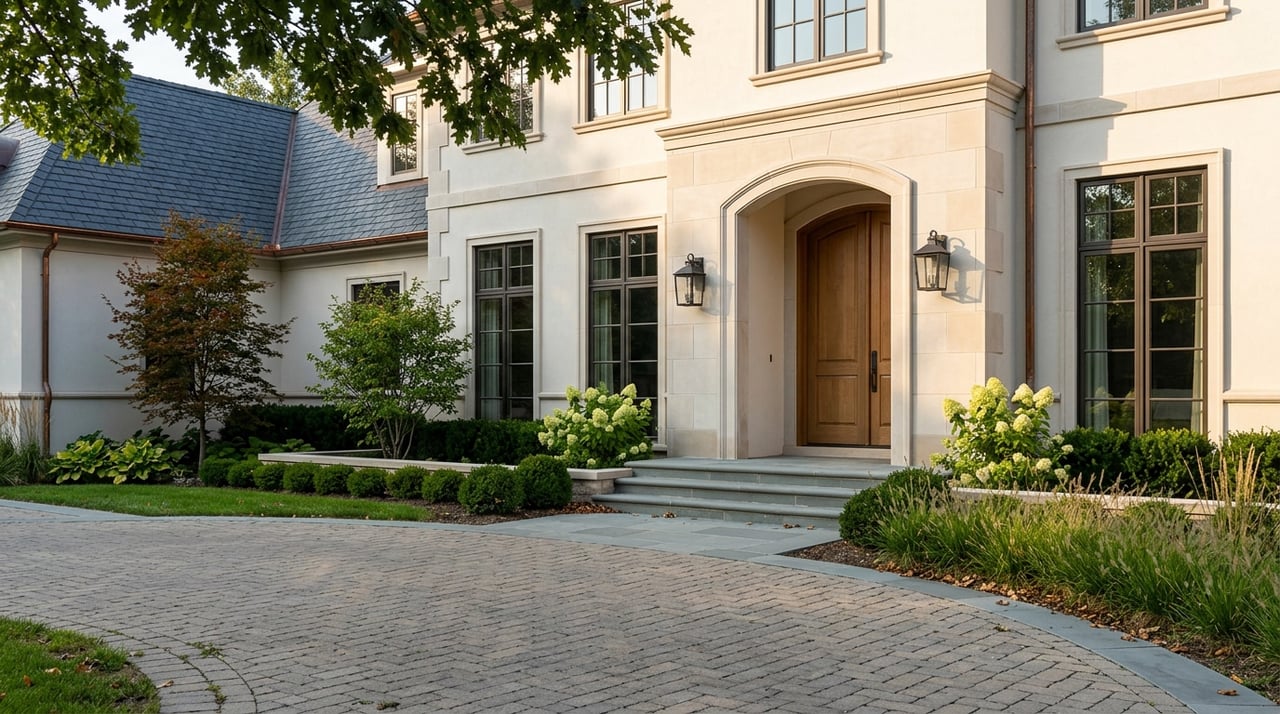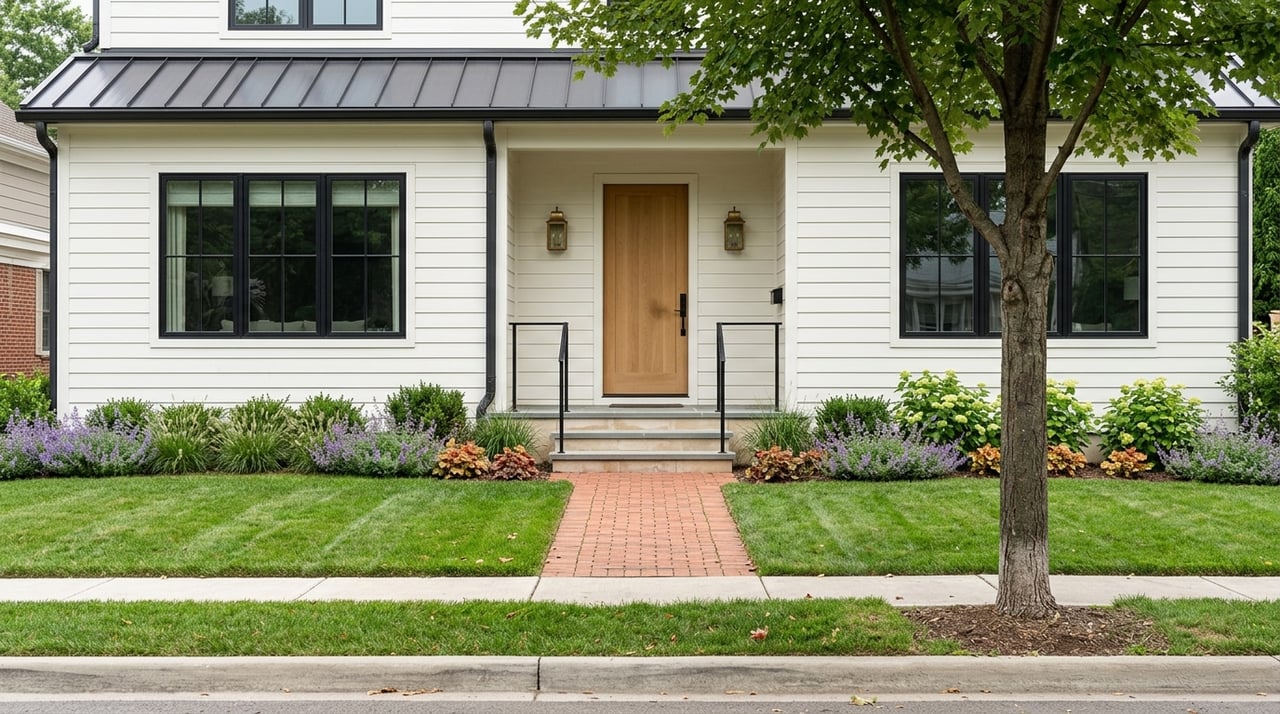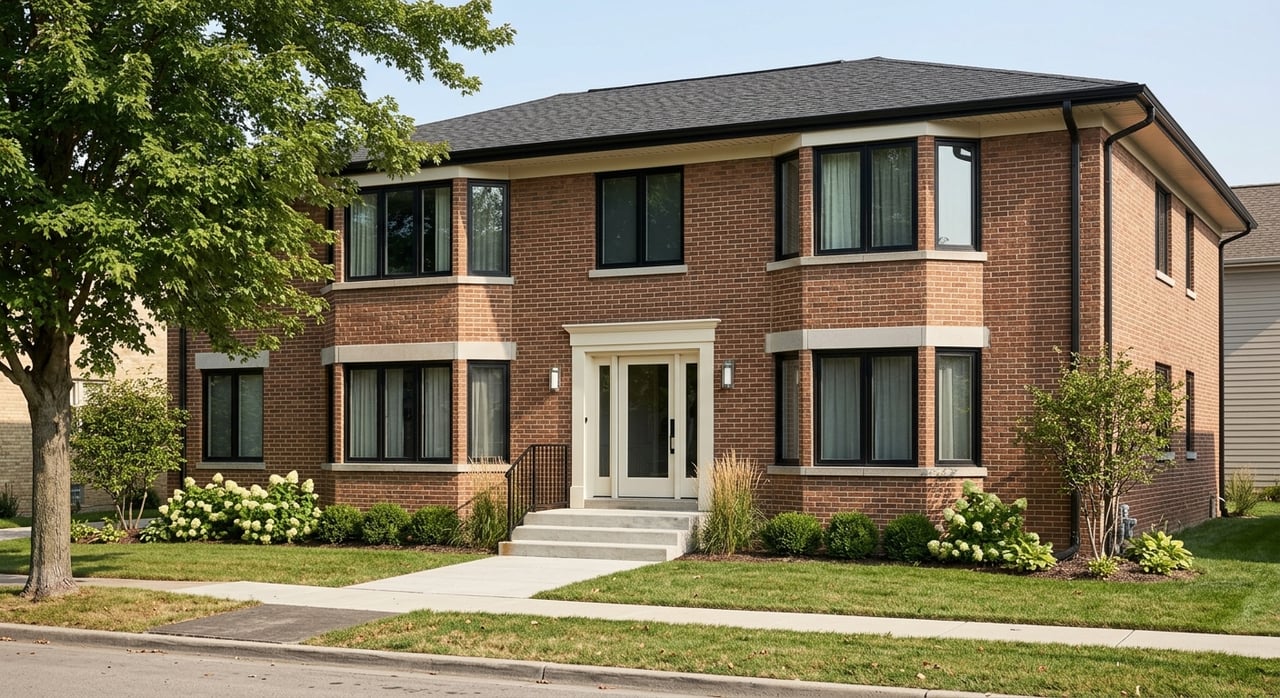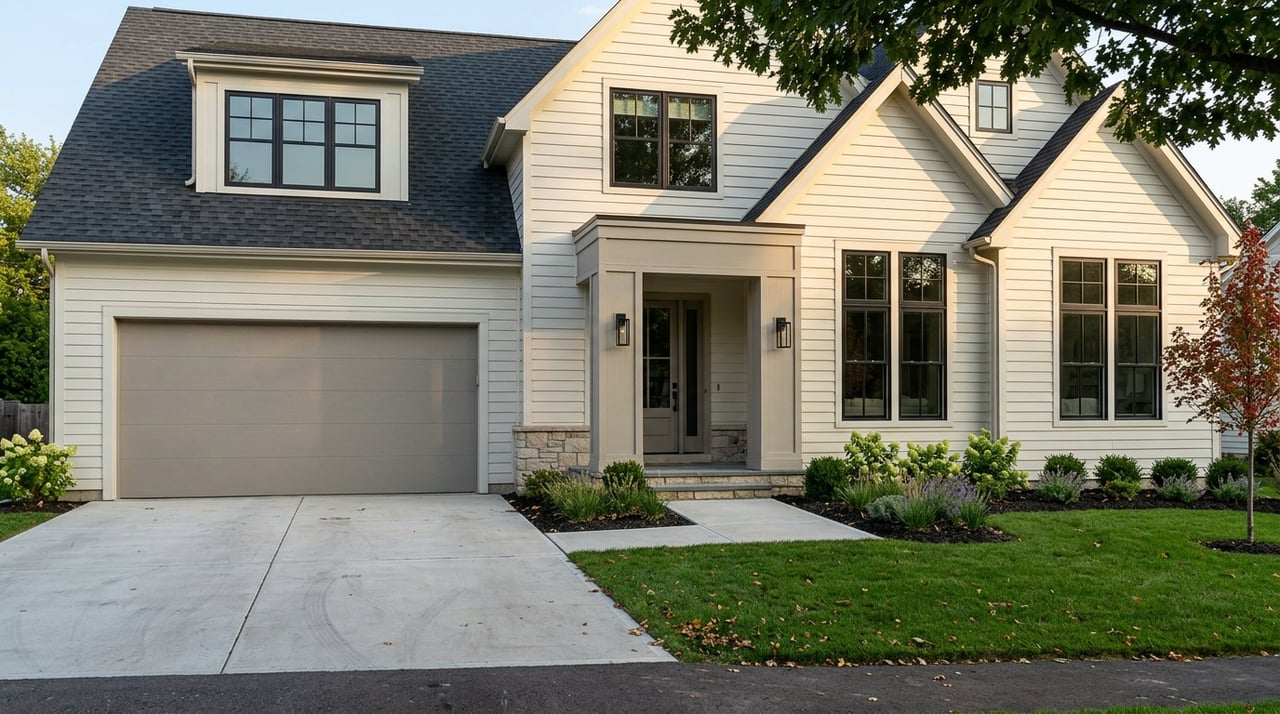
Wondering where you can get more space, a stronger daily routine, and a neighborhood that still works for your commute? For many move-up buyers, Orland Park stands out because it offers more than just bigger homes. It gives you options, stability, and a lifestyle that can feel like a real upgrade without leaving the southwest suburbs. Let’s take a closer look.
Orland Park fits the move-up mindset
Move-up buyers usually want a few things at once. You may want more square footage, a better layout, newer finishes, or a setting that supports your day-to-day life more comfortably. Orland Park checks many of those boxes because it combines established homeownership, a broad price range, and practical access around Chicagoland.
The village is a large, established suburban community with an estimated population of 58,020 in 2024. Census data also shows a very high owner-occupancy rate of 85.8%, which helps paint a picture of a place where many residents stay put and invest in their homes over time. In fact, 90.3% of residents were living in the same house one year earlier.
That kind of stability matters when you are buying your next home. It suggests Orland Park is not just a pass-through market. It is a place where many households put down roots while balancing space, cost, and commute needs.
Price range gives you room to grow
One reason Orland Park appeals to move-up buyers is simple: it is not a one-price suburb. In March 2026, Realtor.com reported 247 homes for sale, a median listing price of $431,000, a median of 26 days on market, and a 99% sale-to-list price ratio. Realtor.com also classified Orland Park as a seller’s market during that period.
Those numbers tell you two important things. First, demand is real, so good homes can move quickly. Second, there is enough inventory and price variation to support different types of step-up moves.
At the neighborhood level, listing medians ranged from about $284,950 in Silver Lake South to about $619,900 in Centennial. The ZIP code spread is also notable, with median listing prices around $344,945 in 60462 and $529,900 in 60467. That nearly $185,000 gap shows that you can often trade up within the same community based on your budget, home style goals, and preferred setting.
What that means for you
If you own a condo, townhome, or starter house, Orland Park may let you move into:
- A larger single-family home
- A home with updated finishes
- A different lot or neighborhood setting
- A property closer to certain parks, amenities, or commuter options
- A home that better fits your long-term needs
That internal range is a big reason Orland Park reads like a classic move-up market.
Daily life feels like part of the upgrade
A move-up decision is rarely just about bedrooms and bathrooms. You are also thinking about how the area supports your routine. Orland Park offers a strong amenity base that can make the upgrade feel meaningful every day.
The village’s Recreation & Parks Department says Orland Park has more than 650 acres of park land. It also offers seasonal programs, special events, fitness centers, an aquatic center, heritage sites, trail access, and lake activities such as kayak and pedal-boat opportunities at Lake Sedgewick.
The village also lists amenities such as the Sportsplex, the Orland Park Health & Fitness Center, and Centennial Park Aquatic Center. For buyers, that means the value proposition is not only more house. It can also mean more ways to use your time close to home.
Lifestyle features that support move-up buyers
Depending on what you want from your next chapter, local amenities may add value in practical ways:
- Indoor and outdoor fitness options
- Walking and biking path access
- Seasonal village programs and events
- Aquatic and recreation facilities
- Spaces for outdoor activity and everyday downtime
If you are trying to improve both your home and your routine, Orland Park offers a lot to consider.
Commuting still works for many households
Space matters, but so does access. Orland Park remains attractive to buyers who want suburban living without cutting themselves off from the wider region.
Metra’s SouthWest Service includes three Orland Park stations: 143rd Street, 153rd Street, and 179th Street. Metra notes that this line does not operate on weekends or holidays, so it works mainly as a weekday commuter rail option.
The village also maintains commuter parking at all three stations. Daily parking pay stations are available at 143rd Street, 153rd Street, and 179th Street, and a monthly commuter pass option is available at the 153rd Street station. That kind of setup can make a real difference if you are trying to coordinate a daily commute with a larger suburban home base.
Census data adds useful context here too. The mean travel time to work is 33.8 minutes, which suggests many households in Orland Park are already making a moderate suburban commute in exchange for space and amenities. If that tradeoff fits your lifestyle, Orland Park can feel like a practical upgrade rather than a dramatic shift.
The market is competitive, so preparation matters
Because Orland Park was classified as a seller’s market in March 2026, move-up buyers need to plan carefully. A median of 26 days on market and a 99% sale-to-list ratio suggest that well-positioned homes can attract serious attention.
That does not mean you should rush. It means you should prepare before you shop so you can act with confidence when the right home appears.
Start with preapproval timing
If you need financing, a preapproval letter is one of the first things to line up. The Consumer Financial Protection Bureau says a preapproval letter reflects a lender’s tentative willingness to lend up to a certain amount, but it is not a guaranteed loan offer. Sellers also often expect preapproval before accepting an offer.
Timing matters because preapproval letters often expire in 30 to 60 days. In most cases, that means you want to get preapproved when you are ready to shop seriously, not months too early.
Understand the contingency conversation
If you need to sell your current home before buying the next one, contingencies become a major part of your strategy. Two of the most relevant options are a home sale contingency and a home close contingency.
A home sale contingency gives you time to sell your current home before completing the purchase. A home close contingency gives you time to close on the sale of your current home before purchasing the next one. These protections can help you coordinate two transactions, especially if you need your sale proceeds to move forward.
There is a tradeoff, though. From the seller’s side, these clauses can add risk or complexity. Sellers may keep showing the property while your contingency is in place, and a kick-out clause may allow them to consider stronger backup offers.
How to approach a move-up purchase in Orland Park
In a market like this, strategy matters. You want enough protection to manage your move, but not so much friction that your offer loses appeal.
A practical approach often includes:
- Reviewing your budget and likely monthly payment range early
- Getting preapproved when you are truly ready to begin shopping
- Understanding whether you need a home sale or home close contingency
- Preparing your current home for market if you plan to sell first
- Moving quickly when a well-matched property becomes available
This is where a data-informed plan can help. When you know your timing, financing, and sale strategy before you start writing offers, you are in a much better position to compete.
Why Orland Park stands out
Put it all together, and the appeal becomes clear. Orland Park offers a stable, owner-occupied base, meaningful price variety, a strong recreation system, and commuter-friendly features that still work for many Chicagoland households.
For move-up buyers, that combination is powerful. You are not limited to one narrow price point or one type of lifestyle. Instead, you can explore a range of home styles and settings while staying in a community built for long-term living.
If you are weighing your next move in the southwest suburbs, Orland Park deserves a serious look. And if you need to coordinate a sale and purchase at the same time, a clear plan can make all the difference. When you are ready to map out your next step, connect with Edgar Guerrero for strategic, hands-on guidance tailored to your move.
FAQs
Is Orland Park a competitive market for move-up buyers?
- Yes. Realtor.com classified Orland Park as a seller’s market in March 2026, with 26 median days on market and homes selling at about 99% of list price.
Why does Orland Park appeal to move-up buyers specifically?
- Orland Park combines a high owner-occupancy rate, broad home price ranges, strong local recreation amenities, and commuter rail access, which together support the kind of lifestyle and housing upgrade many buyers want.
What should you know about commuting from Orland Park?
- Orland Park has three Metra SouthWest Service stations at 143rd Street, 153rd Street, and 179th Street, plus commuter parking at each lot. The line is primarily a weekday option because it does not run on weekends or holidays.
When should you get preapproved before buying in Orland Park?
- You should usually get preapproved when you are ready to shop seriously, since preapproval letters often expire in 30 to 60 days and sellers frequently expect one with an offer.
What happens if you need to sell your current home before buying in Orland Park?
- A home sale contingency or home close contingency may help protect you, but those terms can make your offer less attractive and may allow the seller to keep marketing the property.
Does Orland Park offer different price points within the same community?
- Yes. Reported listing medians ranged from about $284,950 in Silver Lake South to about $619,900 in Centennial, and median listing prices also varied significantly by ZIP code within Orland Park.