Thinking about putting down roots in Lemont and saying goodbye to rent? You’re not alone. Lemont draws first-time buyers who want a small-town feel, outdoor space, and a practical commute to Chicagoland. In this guide, you’ll get a clear plan for buying your first home in Lemont, including pricing ranges, commute realities, local risks to check, and programs that can help with your down payment. Let’s dive in.
Why Lemont works for first-time buyers
Lemont is a historic village about 25 to 30 miles southwest of downtown Chicago with a compact downtown, limestone architecture, and big recreation areas like Heritage Quarries and The Forge. Village pages are a good starting point for permits, parks, and community events. You can explore the village site for local services and updates at the Village of Lemont.
Community stats help you decide if the area fits your goals. According to Census QuickFacts for Lemont, the population is about 18,200, owner-occupancy is high at roughly 87.6 percent, and the 5-year median owner-occupied home value is about $468,800. That signals a stable, owner-heavy market.
If schools factor into your decision, the primary public districts to know are Lemont-Bromberek Combined School District 113A for elementary and middle grades and Lemont Township High School District 210 for high school. You can see enrollment details and district information at District 113A’s site. Always verify boundaries directly with the districts.
What homes cost in Lemont today
Recent market snapshots in early 2026 show list prices in Lemont often land in the low 600,000s, with average home value estimates in the mid 500,000s. Sold prices vary by property type and timing, and different sources show a spread from roughly the mid 400,000s to the mid 600,000s. The key takeaway for a first-time buyer is this: condos and smaller townhomes are usually the most affordable path, while single-family homes start higher.
- Condos and townhomes: examples have appeared in the high 200,000s to low 300,000s range.
- Single-family homes: many “starter” options trend from the mid 400,000s to 600,000-plus.
- Newer builds and larger lots: these can push well into the 700,000 to 1 million range.
Inventory can be tight at times in Lemont, which means attractive, well-priced homes may see multiple showings quickly. Plan to tour early and present a clean offer when you find a match.
Quick budget example
Mortgage rates change your monthly payment more than anything else. As of early March 2026, national 30-year fixed rates hovered near about 6.0 percent, according to a Freddie Mac PMMS update. Closing costs typically range from 2 to 5 percent of the purchase price, per Bankrate’s overview.
- Example 1: condo at $320,000 with 5 percent down at 6.0 percent. Loan is $304,000. Estimated principal and interest is about $1,823 per month. Estimated closing costs at 3 percent are about $9,600. This does not include HOA fees, property taxes, or insurance.
- Example 2: single-family home at $500,000 with 10 percent down at 6.0 percent. Loan is $450,000. Estimated principal and interest is about $2,700 per month. Estimated closing costs at 3 percent are about $15,000. This does not include property taxes or insurance.
Illinois and Cook County property taxes can be higher than national averages, and bills vary by neighborhood and taxing body. Build taxes, insurance, and any HOA dues into your monthly budget.
Choose your first Lemont home
Condos and townhomes
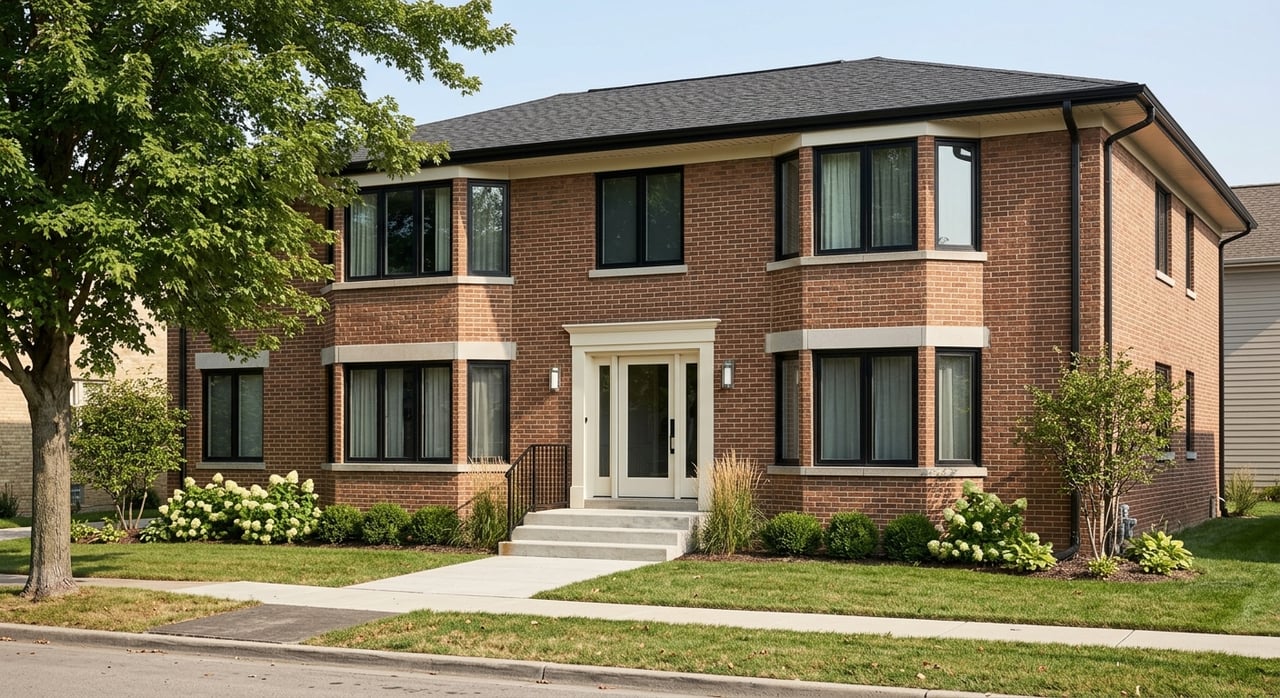
If you want a lower entry price and simpler maintenance, condos and townhomes are a strong start. Some units list in the high 200,000s to low 300,000s at times. Review HOA rules and fees, ask what the association covers, and compare monthly costs that include mortgage, HOA, insurance, and taxes.
Single-family starters
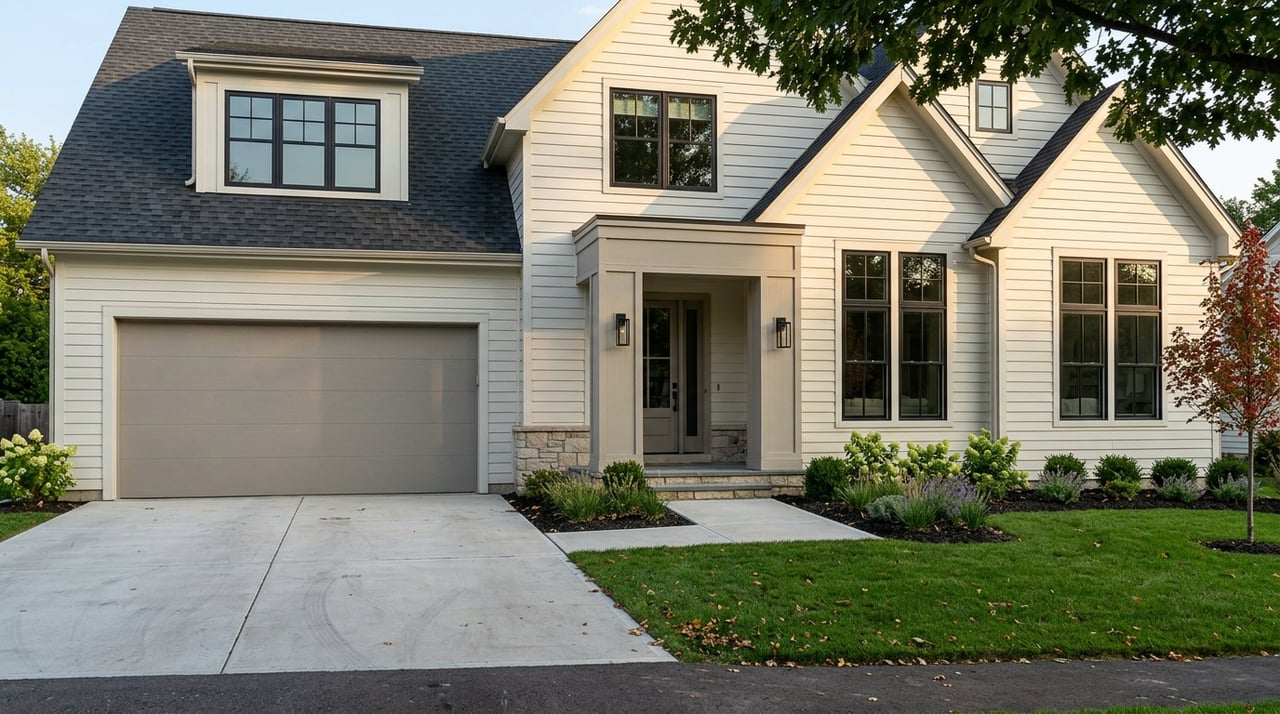
Lemont’s housing stock is mostly detached single-family homes, and many starter options sit in the mid 400,000s to 600,000-plus depending on size, updates, and location. Factor in yard and system maintenance when budgeting. If you are comparing older homes with newer ones, plan for inspection items and potential upgrades over time.
Newer builds and estate-style homes
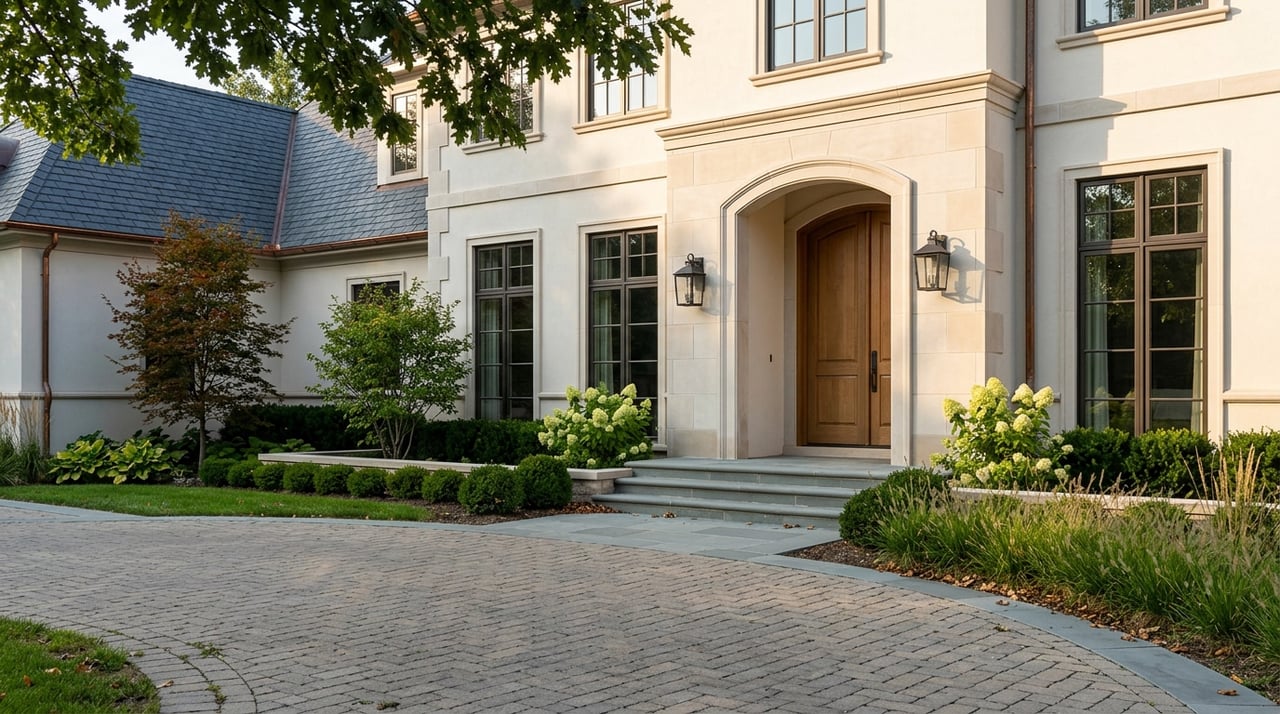
If you prefer new or newer construction, you will find subdivisions and townhome communities that emphasize low-maintenance living and updated finishes. These typically price higher than older entry options and can extend into the 700,000 to 1 million range for larger homes or estate lots.
Commute and daily life
Lemont is a commuter-friendly suburb with a few caveats. The Metra Heritage Corridor serves the village with a stop in downtown Lemont. Service is peak-direction and limited, so make sure train times match your work hours. Typical inbound travel time to Chicago’s Union Station is about 45 to 50 minutes by schedule. You can view the current Metra Heritage Corridor timetable to plan your commute.
Driving is common as well, with convenient access to I-355 and I-55. For local permits, utilities, and village services, start with the Village of Lemont.
Smart inspections and local checks
Flood risk and drainage
Parts of Lemont sit near waterways such as the Illinois and Michigan Canal, quarries, and local streams. It is wise to review FEMA flood maps, ask the seller about any water history, and consult local hazard planning documents. The county’s Lemont annex outlines area risks and planning; see the Cook County Hazard Mitigation Plan, Lemont annex. If the home is in a mapped flood zone, ask your lender whether flood insurance is required and get quotes early.
Radon and older homes
Illinois has elevated radon potential. Include a radon test with your inspection and review any seller-provided test results. Mitigation is typically straightforward. For background on radon distribution in the state, review research summarized in this Scientific Reports article.
Historic district rules
Lemont’s downtown features a historic district with limestone buildings and unique character. If you buy in or near the district, exterior changes may require approvals. Before planning projects, check the Village Historic Preservation Commission for guidance on permits and standards.
Your step-by-step buying plan
- Get pre-approved
- In a market where good homes can move quickly, a strong pre-approval is essential. Rate environments change, so check a current national snapshot like the Freddie Mac PMMS update and confirm terms with your lender.
- Set your budget and must-haves
- Build a realistic budget that includes down payment, closing costs, property taxes, insurance, and for condos or townhomes, HOA fees. Create a short list of non-negotiables and a few nice-to-haves.
- Tour quickly, compare smartly
- When a home checks most boxes, schedule a showing fast. Compare monthly cost scenarios instead of just list prices. Ask for utility averages and HOA documents early, when available.
- Craft a winning offer
- In tighter inventory periods, clean offers can stand out. That can mean a flexible closing date, a short but reasonable inspection timeline, and strong communication with the listing side. In slower periods, you may negotiate price, repairs, or credits. Your strategy depends on current days on market and competition.
- Complete inspections and attorney review
- Order a general home inspection, radon test, and any specialized inspections recommended by your inspector. In Illinois, the attorney review and inspection period typically runs a few business days after acceptance. Use that time to request repairs or credits based on findings.
- Appraisal, loan approval, and closing prep
- Your lender orders the appraisal. If value comes in lower than expected, discuss options with your agent and lender. Gather final documents, review the closing disclosure, and plan for funds to close. For typical cost categories, review Bankrate’s closing cost guide.
- Move-in logistics
- Coordinate utilities, garbage, and water and sewer with the village or providers. If you need permits or vehicle stickers, the Village of Lemont site outlines steps.
Down payment help you can use
Many first-time buyers pair a conventional or FHA loan with down payment assistance.
State of Illinois (IHDA): The Illinois Housing Development Authority offers programs that provide assistance in different forms, typically with income, purchase price, and education requirements. Learn more at IHDA’s FAQs, and ask an IHDA-approved lender to check your eligibility.
Cook County Down Payment Assistance: For purchases in the Cook County portion of Lemont, the county has operated a pilot that can provide subsidies up to a defined percent or capped amount when funded. Programs evolve and funds can be limited, so review the Cook County Down Payment Assistance Program and confirm the latest status with participating administrators.
Work with a local advocate
Buying your first home is a big milestone. You deserve a plan that is clear, numbers you can trust, and a partner who responds quickly. I bring 12-plus years of Chicagoland experience and a strategy-led approach that helps you compare options, craft winning offers, and keep the process calm and on track. If you are ready to start your Lemont search, connect with Edgar Guerrero for a step-by-step plan tailored to you.
FAQs
Can I afford a first home in Lemont as a new buyer?
- It depends on your home type and budget; condos and townhomes can list in the high 200,000s to low 300,000s at times, while many single-family starters are in the mid 400,000s to 600,000-plus.
Is Lemont a realistic commuter suburb for downtown Chicago?
- Yes if your schedule fits the Metra Heritage Corridor’s limited peak-direction service and you are comfortable with a 45 to 50 minute scheduled train ride or highway commutes via I-355 and I-55.
What first-time buyer assistance is available in Lemont?
- State IHDA programs and the Cook County Down Payment Assistance pilot can help if you meet eligibility rules; check IHDA’s FAQs and the Cook County program page for current details.
What inspections or local risks should I plan for in Lemont?
- Budget for a general home inspection and radon test, review flood risk with FEMA maps and the county hazard plan, and confirm any historic-district rules before planning exterior changes.